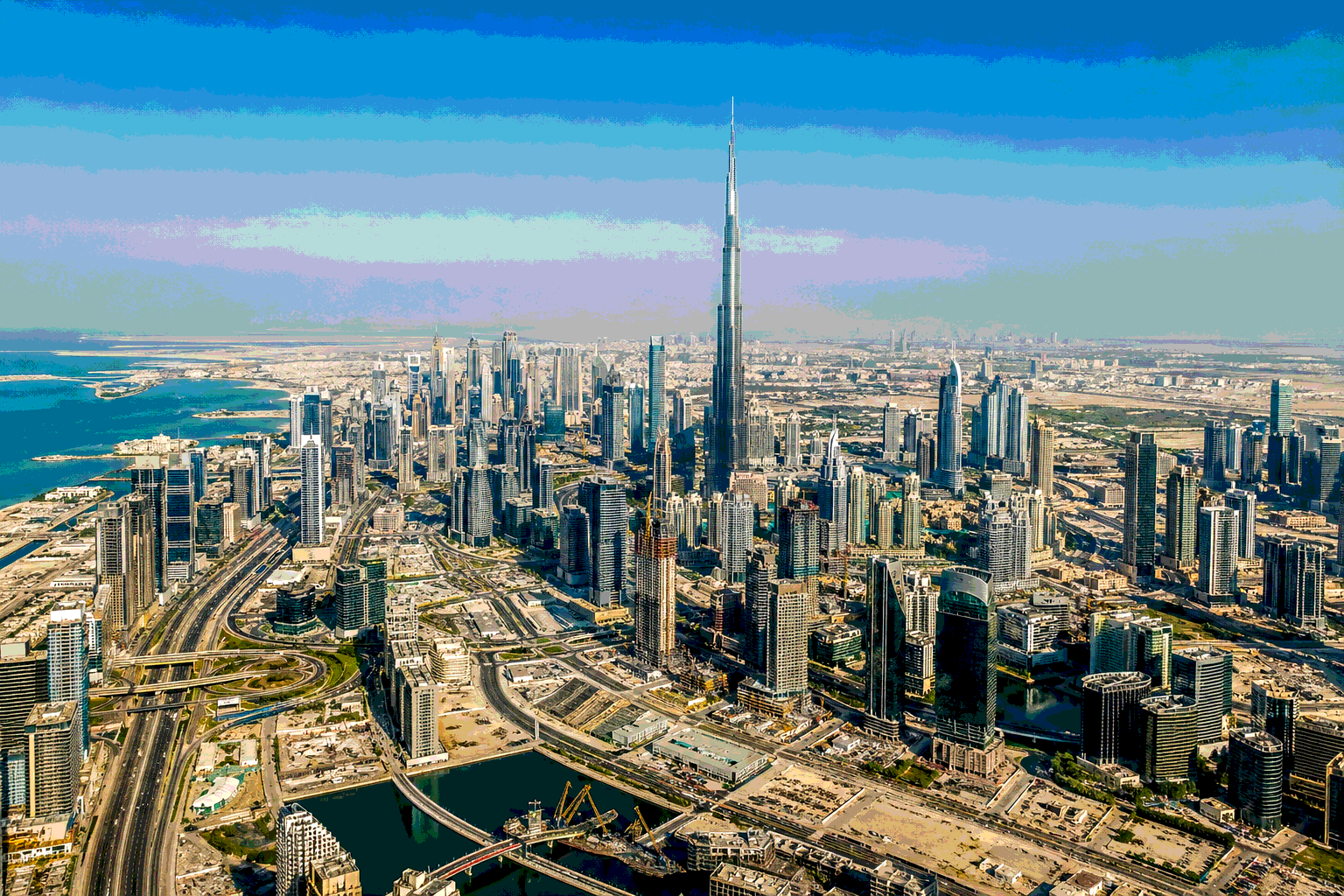
In 2026, the Dubai real estate market began to show the first signs that experienced investors typically perceive not as a problem, but as a significant reversal of the cycle. After several years of almost continuous growth, housing prices began to decline—an event that many expected, but not everyone was prepared for.
Superficially, one might say the market "went down." More professionally, it began to normalize. And these are fundamentally different things.
In recent years, Dubai has experienced one of the strongest growth phases in its history. After the pandemic, the emirate became a magnet for capital from around the world. Investors entered quickly, often without in-depth analysis, focusing on the dynamics of "buy today, sell for more in a year." Such a market cannot grow indefinitely. Therefore, the current price decline is not a warning sign, but an expected stage in the cycle. Moreover, its absence would be a far more dangerous sign.
The first thing worth noting is not the scale, but the very fact of the trend change. Prices have corrected after a long period of growth, but remain significantly above the levels of several years ago. The key change is in the behavior of market participants.
While previously deals were often made on the basis of emotion and speed, now buyers:
— take longer to analyze projects
— compare alternatives
— begin to calculate real returns
This is always the first sign of market maturity. The second important factor is the slowing pace of transactions. Transaction volume is declining not because there are no buyers, but because the excitement is fading. This is a normal transition from overheated demand to balanced demand. The third factor is the growth of supply. Developers have brought a huge number of projects to market in recent years, and now the market is gradually "digesting" this volume. In this phase, competition intensifies, and prices stop rising automatically.
Geopolitics as a catalyst, not a cause
The current correction is often attributed to geopolitics, and this does indeed influence investor behavior. But it's important to understand: external factors have merely accelerated a process that was already inevitable. The market has reached a point where growth was expected to slow, and it has. The market isn't weak; it's becoming more complex. The main mistake non-professional investors are making right now is trying to evaluate the current situation in terms of "growth/decline."
In reality, the market has simply entered a new phase:
— fewer speculative deals
— more rational purchases
— higher demands on property quality
This means that the "average" project will no longer grow automatically. However, strong projects will. Despite the correction, demand hasn't disappeared. It has redistributed.
The most stable remain:
— premium properties in key locations
— waterfront projects
— villas in gated communities
— properties with a clear rental model
This is where the market feels confident, even in the cooling phase.
What does this mean for investors?
The market is no longer "simple." But it's precisely at times like these that the best entry points emerge. If the strategy previously sounded like "buy now," it now sounds different:
— choose the right project
— evaluate liquidity
— consider scenarios rather than rely on growth
What has been missing in recent years is emerging: the ability to negotiate. Developers are becoming more flexible. Buyers are once again gaining influence over the terms of the deal. Dubai is not losing its position as a global hub for real estate investment. It is going through a natural phase—the transition from rapid growth to a more mature market.
And it is during this phase that:
— casual investors leave
— noise subsides
— informed deals remain
Strong players do not exit the market during such periods. They strengthen their positions.
Superficially, one might say the market "went down." More professionally, it began to normalize. And these are fundamentally different things.
In recent years, Dubai has experienced one of the strongest growth phases in its history. After the pandemic, the emirate became a magnet for capital from around the world. Investors entered quickly, often without in-depth analysis, focusing on the dynamics of "buy today, sell for more in a year." Such a market cannot grow indefinitely. Therefore, the current price decline is not a warning sign, but an expected stage in the cycle. Moreover, its absence would be a far more dangerous sign.
The first thing worth noting is not the scale, but the very fact of the trend change. Prices have corrected after a long period of growth, but remain significantly above the levels of several years ago. The key change is in the behavior of market participants.
While previously deals were often made on the basis of emotion and speed, now buyers:
— take longer to analyze projects
— compare alternatives
— begin to calculate real returns
This is always the first sign of market maturity. The second important factor is the slowing pace of transactions. Transaction volume is declining not because there are no buyers, but because the excitement is fading. This is a normal transition from overheated demand to balanced demand. The third factor is the growth of supply. Developers have brought a huge number of projects to market in recent years, and now the market is gradually "digesting" this volume. In this phase, competition intensifies, and prices stop rising automatically.
Geopolitics as a catalyst, not a cause
The current correction is often attributed to geopolitics, and this does indeed influence investor behavior. But it's important to understand: external factors have merely accelerated a process that was already inevitable. The market has reached a point where growth was expected to slow, and it has. The market isn't weak; it's becoming more complex. The main mistake non-professional investors are making right now is trying to evaluate the current situation in terms of "growth/decline."
In reality, the market has simply entered a new phase:
— fewer speculative deals
— more rational purchases
— higher demands on property quality
This means that the "average" project will no longer grow automatically. However, strong projects will. Despite the correction, demand hasn't disappeared. It has redistributed.
The most stable remain:
— premium properties in key locations
— waterfront projects
— villas in gated communities
— properties with a clear rental model
This is where the market feels confident, even in the cooling phase.
What does this mean for investors?
The market is no longer "simple." But it's precisely at times like these that the best entry points emerge. If the strategy previously sounded like "buy now," it now sounds different:
— choose the right project
— evaluate liquidity
— consider scenarios rather than rely on growth
What has been missing in recent years is emerging: the ability to negotiate. Developers are becoming more flexible. Buyers are once again gaining influence over the terms of the deal. Dubai is not losing its position as a global hub for real estate investment. It is going through a natural phase—the transition from rapid growth to a more mature market.
And it is during this phase that:
— casual investors leave
— noise subsides
— informed deals remain
Strong players do not exit the market during such periods. They strengthen their positions.