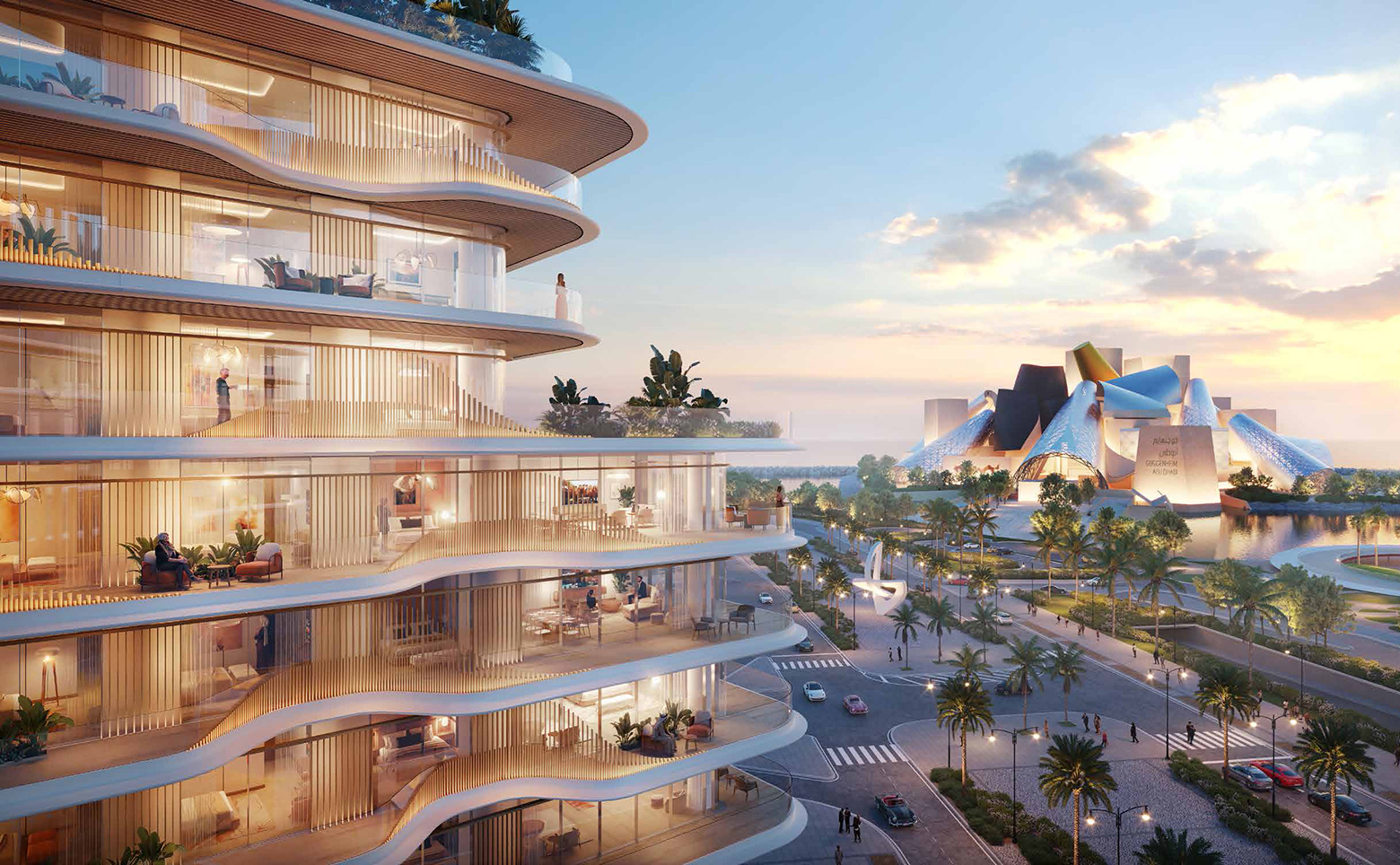
Dubai's real estate market is rapidly expanding, demonstrating impressive growth rates that outpace many global peers. This dynamic development is fueled by a combination of factors, including a steady population influx, significant foreign investment, and an ongoing boom in off-plan property sales. Recent research shows that Dubai is confidently strengthening its position as one of the world's leading investment destinations.
The Dubai Land Department (DLD) confirms this trend, reporting that the emirate attracted approximately 94,700 investors in the first half of 2025, a 26% increase compared to the same period last year. It is particularly noted that the number of new investors increased by 22% to 59,000. Importantly, 45% of these investors are UAE residents, a clear indication of the high level of confidence in the local real estate market among those living and working in the emirate.
In the first half of 2025, the residential sector delivered impressive results, with total transaction volume reaching AED 262.1 billion (US$71.4 billion). This represents a 36.4% year-on-year increase, highlighting Dubai's continued consolidation of its status as one of the fastest-growing real estate markets in the world. Behind these record-breaking results lies not only the numbers but also a clear shift in buyer preferences and developer strategies.
Amaal research has identified six key trends currently shaping the Dubai real estate market in 2025. These trends reflect the market's evolution and its adaptation to new conditions and expectations.
The Dubai Land Department (DLD) confirms this trend, reporting that the emirate attracted approximately 94,700 investors in the first half of 2025, a 26% increase compared to the same period last year. It is particularly noted that the number of new investors increased by 22% to 59,000. Importantly, 45% of these investors are UAE residents, a clear indication of the high level of confidence in the local real estate market among those living and working in the emirate.
In the first half of 2025, the residential sector delivered impressive results, with total transaction volume reaching AED 262.1 billion (US$71.4 billion). This represents a 36.4% year-on-year increase, highlighting Dubai's continued consolidation of its status as one of the fastest-growing real estate markets in the world. Behind these record-breaking results lies not only the numbers but also a clear shift in buyer preferences and developer strategies.
Amaal research has identified six key trends currently shaping the Dubai real estate market in 2025. These trends reflect the market's evolution and its adaptation to new conditions and expectations.
1. One of the most significant trends is the dominance of off-plan property sales. Transaction volumes for such properties have increased sharply, accounting for over 70% of total property sales in the first half of 2025. The appeal of such offers to buyers is driven by flexible payment plans and promising long-term growth prospects, particularly in rapidly developing areas such as Mohammed bin Rashid City, South Dubai, and Dubai Hills Estate. This shift in demand from resale of completed properties to off-plan purchases demonstrates growing investor confidence in Dubai's infrastructure projects and its future development.
2. Suburban Living is Gaining Momentum
Rising rents in central Dubai areas such as Downtown Dubai, Business Bay, and Dubai Marina are forcing residents to seek more affordable housing options. As a result, suburban areas are experiencing increased development. Places like Jumeirah Village Circle, Dubai Silicon Oasis, and South Dubai attract families seeking affordable housing, villas, schools, and improved transportation access. With Dubai's population now surpassing 3 million, the city's outskirts are gradually transforming from simple residential areas into vibrant hubs offering their own unique advantages.
3. Healthy Living Amenities Go Mainstream
Developers in Dubai are moving beyond providing standard gyms and swimming pools. There's been a sharp increase in demand for spaces focused on wellness and well-being. These include meditation areas, coworking lounges, hydrotherapy pools, green walkways, and designated areas for pets. With the rise of hybrid work models, such amenities are no longer just optional extras. They've become key factors that buyers and renters, especially in mid- and premium-end residential, consider when making their decisions. 4. Sustainability is becoming a decisive factor
Real estate certification is now playing a decisive role in decision-making. Green building certification, solar panel integration, and the use of energy-efficient materials, previously reserved for luxury projects, are now becoming the norm for mid-priced projects. Amaal research highlights that investors focused on environmental and social considerations (ESG), especially international buyers, prefer projects with LEED certification, smart cooling systems, and optimized utility consumption. This, in turn, contributes to faster occupancy and lower tenant turnover.
5. Mixed-use housing is changing urban design: The rise of "vertical villages"
Developers are actively reimagining urban space by creating so-called "vertical villages." These mixed-use towers offer a symbiosis of residential areas with commercial and social amenities, including coworking spaces, supermarkets, cafes, and even wellness centers. This approach fully meets the modern needs of residents seeking maximum convenience and a sense of community. The ability to live, work, shop, and relax within a single neighborhood, and often within a single building, is becoming a reality. This growing trend is having a noticeable impact on Dubai's appearance, strengthening its image as a city where urban life is maximally integrated and accessible.
6. Technology Drives Property Search and Investment: The PropTech Revolution
The real estate industry is undergoing a true digital transformation thanks to advances in technology. From intuitive AI-powered real estate platforms to innovative tokenized investments, this is fundamentally changing the way we think about buying and managing homes. Today, cutting-edge platforms offer a whole arsenal of tools: from predictive price analysis and virtual tours of properties using augmented and virtual reality (AR/VR) to secure blockchain-based transactions. This opens up vast opportunities for international investors, particularly from Europe and Asia, allowing them to conduct transactions remotely and with confidence in their security. Innovations in PropTech (Property Technology) are increasing market transparency and liquidity, which in turn is attracting new international capital to Dubai's vibrant real estate ecosystem.
2. Suburban Living is Gaining Momentum
Rising rents in central Dubai areas such as Downtown Dubai, Business Bay, and Dubai Marina are forcing residents to seek more affordable housing options. As a result, suburban areas are experiencing increased development. Places like Jumeirah Village Circle, Dubai Silicon Oasis, and South Dubai attract families seeking affordable housing, villas, schools, and improved transportation access. With Dubai's population now surpassing 3 million, the city's outskirts are gradually transforming from simple residential areas into vibrant hubs offering their own unique advantages.
3. Healthy Living Amenities Go Mainstream
Developers in Dubai are moving beyond providing standard gyms and swimming pools. There's been a sharp increase in demand for spaces focused on wellness and well-being. These include meditation areas, coworking lounges, hydrotherapy pools, green walkways, and designated areas for pets. With the rise of hybrid work models, such amenities are no longer just optional extras. They've become key factors that buyers and renters, especially in mid- and premium-end residential, consider when making their decisions. 4. Sustainability is becoming a decisive factor
Real estate certification is now playing a decisive role in decision-making. Green building certification, solar panel integration, and the use of energy-efficient materials, previously reserved for luxury projects, are now becoming the norm for mid-priced projects. Amaal research highlights that investors focused on environmental and social considerations (ESG), especially international buyers, prefer projects with LEED certification, smart cooling systems, and optimized utility consumption. This, in turn, contributes to faster occupancy and lower tenant turnover.
5. Mixed-use housing is changing urban design: The rise of "vertical villages"
Developers are actively reimagining urban space by creating so-called "vertical villages." These mixed-use towers offer a symbiosis of residential areas with commercial and social amenities, including coworking spaces, supermarkets, cafes, and even wellness centers. This approach fully meets the modern needs of residents seeking maximum convenience and a sense of community. The ability to live, work, shop, and relax within a single neighborhood, and often within a single building, is becoming a reality. This growing trend is having a noticeable impact on Dubai's appearance, strengthening its image as a city where urban life is maximally integrated and accessible.
6. Technology Drives Property Search and Investment: The PropTech Revolution
The real estate industry is undergoing a true digital transformation thanks to advances in technology. From intuitive AI-powered real estate platforms to innovative tokenized investments, this is fundamentally changing the way we think about buying and managing homes. Today, cutting-edge platforms offer a whole arsenal of tools: from predictive price analysis and virtual tours of properties using augmented and virtual reality (AR/VR) to secure blockchain-based transactions. This opens up vast opportunities for international investors, particularly from Europe and Asia, allowing them to conduct transactions remotely and with confidence in their security. Innovations in PropTech (Property Technology) are increasing market transparency and liquidity, which in turn is attracting new international capital to Dubai's vibrant real estate ecosystem.