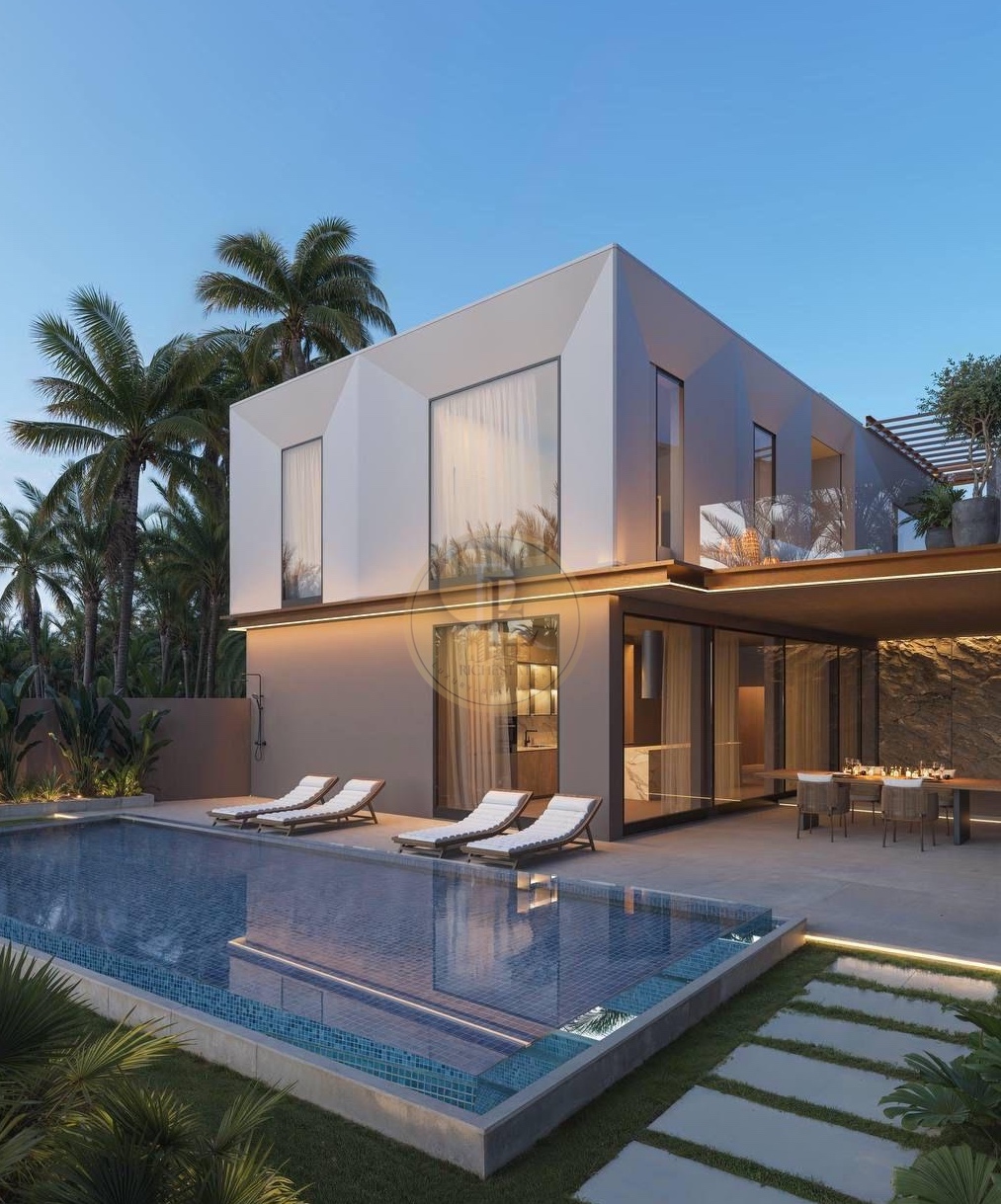
Bali remains one of the most attractive resort real estate markets in Asia. The climate, tourist flow, location recognition, and strong interest from foreign investors have not disappeared.
However, in 2026, the Bali villa market has finally ceased to be simple. The "buy, list on Airbnb, and earn income" model no longer works automatically. Investments here require not inspiration, but calculation, legal precision, and an understanding of the regulatory environment. Today, Bali is a market where compliance, not demand, is key.
The real risk in 2026 is not tourism, but the legality of the asset.
Tourist demand in Bali remains. Official statistics confirm high inflows and pronounced seasonality. But for investors, this is no longer enough.
The key question for 2026 is different:
Will the property remain legal, licensed, and liquid as regulations tighten? It’s at this stage that many deals that initially look attractive begin to lose their investment logic—not immediately, but after a year or two, when the owner faces licensing, resale, or a slow season.
Short-Term Rental Yields: Figures Without Illusions
Short-term rental rates in Bali can no longer be viewed as averages. Actual occupancy rates across the market vary widely, often hovering between 40−60%, with the gap between the best properties and the "average" segment becoming increasingly noticeable.
This means the following:
Figures may look convincing in tables and presentations, but a specific villa will quickly underperform if:
The 2026 market will not forgive mistakes made at the purchase stage.
Six systemic factors that undermine investment in villas in Bali
Most problems don’t seem critical at the time of the transaction. They emerge later—when trying to obtain a license, refinance, resell, or during periods of reduced demand.
1. Zoning—the foundation of investment security
In Bali, zoning is not a recommendation or a formality. It is a strict spatial planning system.
If the site is not in a tourist zone:
A professional approach is to consider zoning as a key condition of the transaction, not a task "for later."
2. Rental licensing is no longer an option
In 2026, listing a property for short-term rental without the correct status will increasingly lead to blockings, fines, and restrictions. The market is moving toward:
If the financial model is based on daily rentals, the investor must consider the terms, cost, and likelihood of obtaining a license before purchasing.
3. PBG and SLF — documents determining liquidity
Indonesia has finally transitioned from the old IMB system to modern PBG and SLF requirements.
The practical implications are clear: a villa may appear ready and operational, but without the correct permits and certificates of functionality, - it becomes vulnerable.
During inspections, these properties are the first to come under pressure.
Furthermore, the lack of complete documentation significantly narrows the pool of potential buyers when exiting the investment.
However, in 2026, the Bali villa market has finally ceased to be simple. The "buy, list on Airbnb, and earn income" model no longer works automatically. Investments here require not inspiration, but calculation, legal precision, and an understanding of the regulatory environment. Today, Bali is a market where compliance, not demand, is key.
The real risk in 2026 is not tourism, but the legality of the asset.
Tourist demand in Bali remains. Official statistics confirm high inflows and pronounced seasonality. But for investors, this is no longer enough.
The key question for 2026 is different:
Will the property remain legal, licensed, and liquid as regulations tighten? It’s at this stage that many deals that initially look attractive begin to lose their investment logic—not immediately, but after a year or two, when the owner faces licensing, resale, or a slow season.
Short-Term Rental Yields: Figures Without Illusions
Short-term rental rates in Bali can no longer be viewed as averages. Actual occupancy rates across the market vary widely, often hovering between 40−60%, with the gap between the best properties and the "average" segment becoming increasingly noticeable.
This means the following:
Figures may look convincing in tables and presentations, but a specific villa will quickly underperform if:
- the location is poorly chosen
- the purchase price is too high
- the property lacks professional management
- the property does not comply with regulatory requirements
The 2026 market will not forgive mistakes made at the purchase stage.
Six systemic factors that undermine investment in villas in Bali
Most problems don’t seem critical at the time of the transaction. They emerge later—when trying to obtain a license, refinance, resell, or during periods of reduced demand.
1. Zoning—the foundation of investment security
In Bali, zoning is not a recommendation or a formality. It is a strict spatial planning system.
If the site is not in a tourist zone:
- the property may not be suitable for legal short-term rentals
- a tourist license may not be available
- resale becomes difficult because experienced buyers begin their due diligence with zoning.
A professional approach is to consider zoning as a key condition of the transaction, not a task "for later."
2. Rental licensing is no longer an option
In 2026, listing a property for short-term rental without the correct status will increasingly lead to blockings, fines, and restrictions. The market is moving toward:
- mandatory business registration
- confirmation of the property’s tourist purpose
- compliance with requirements for the type of property use.
If the financial model is based on daily rentals, the investor must consider the terms, cost, and likelihood of obtaining a license before purchasing.
3. PBG and SLF — documents determining liquidity
Indonesia has finally transitioned from the old IMB system to modern PBG and SLF requirements.
The practical implications are clear: a villa may appear ready and operational, but without the correct permits and certificates of functionality, - it becomes vulnerable.
During inspections, these properties are the first to come under pressure.
Furthermore, the lack of complete documentation significantly narrows the pool of potential buyers when exiting the investment.
4. Lease Structures: Risk Hidden in the Details
The vast majority of foreign investors work with leasehold structures. The mistake occurs when they focus only on the overall lease term, rather than:
A deal that looks profitable today may become expensive when the terms are renegotiated in the future.
Conservative underwriting involves modeling returns taking into account the possible deterioration of renewal terms.
5. Nominee Structures and the Human Factor
The use of nominee owners is still common, but by 2026, it will no longer be just a legal risk, but a counterparty risk.
Asset security in such structures depends not only on the documents but also on future circumstances, relationships, and potential disputes.
Even in the absence of conflicts, the resale of such properties often raises concerns among professional buyers.
If the ownership structure fails due diligence, liquidity suffers.
6. Oversaturation and the illusion of "Instagram profitability"
The supply of villas in popular areas of Bali continues to grow. This leads to:
Only properties with a strong positioning remain viable: location, design, management, and service.
An investor's mistake is to view a villa as a standard hotel room. A private villa lacks a brand, global marketing, and hotel infrastructure.
What does a working strategy for 2026 look like?
The market requires a shift in thinking.
A villa in Bali today is not just real estate, but a regulated micro-business in the hospitality industry.
Investor priorities:
What generally remains stable:
properties in tourist-friendly areas villas with the possibility of obtaining an official license locations with year-round demand projects focused on guest comfort, not just visual appeal.
What the market most often fails to withstand:
"Gray" areas and unclear legal frameworks
yields based solely on peak season
investments tied to a quick resale.
Bali in 2026 will not lose investment potential; it will become more selective. The market is shifting from the "buy everything, tourists will come" principle to the "buy what remains legal, manageable, and liquid" strategy. Investors who consider legal structure and operational stability as part of the asset's value, rather than as a secondary formality, will win. High-quality properties in the right locations with impeccable documentation will continue to be rewarded by the market. Everything else will be tested in 2026. RichEstate Analytics
The RichEstate team helps investors navigate Bali's complex real estate market—from analyzing new developments and assessing legal risks to reviewing zoning, licensing, and project investment models.
New Developments in Bali →
The vast majority of foreign investors work with leasehold structures. The mistake occurs when they focus only on the overall lease term, rather than:
- the remaining period
- the renewal terms
- the party controlling the renewal negotiations.
A deal that looks profitable today may become expensive when the terms are renegotiated in the future.
Conservative underwriting involves modeling returns taking into account the possible deterioration of renewal terms.
5. Nominee Structures and the Human Factor
The use of nominee owners is still common, but by 2026, it will no longer be just a legal risk, but a counterparty risk.
Asset security in such structures depends not only on the documents but also on future circumstances, relationships, and potential disputes.
Even in the absence of conflicts, the resale of such properties often raises concerns among professional buyers.
If the ownership structure fails due diligence, liquidity suffers.
6. Oversaturation and the illusion of "Instagram profitability"
The supply of villas in popular areas of Bali continues to grow. This leads to:
- a decrease in average occupancy
- an increase in discounts
- increasing competition for guests.
Only properties with a strong positioning remain viable: location, design, management, and service.
An investor's mistake is to view a villa as a standard hotel room. A private villa lacks a brand, global marketing, and hotel infrastructure.
What does a working strategy for 2026 look like?
The market requires a shift in thinking.
A villa in Bali today is not just real estate, but a regulated micro-business in the hospitality industry.
Investor priorities:
- Legal zoning and licensing options
- Complete legality of construction and documentation
- Operating model: management, service, cost control
- Only then come the entry price, profitability forecast, and price growth.
What generally remains stable:
properties in tourist-friendly areas villas with the possibility of obtaining an official license locations with year-round demand projects focused on guest comfort, not just visual appeal.
What the market most often fails to withstand:
"Gray" areas and unclear legal frameworks
yields based solely on peak season
investments tied to a quick resale.
Bali in 2026 will not lose investment potential; it will become more selective. The market is shifting from the "buy everything, tourists will come" principle to the "buy what remains legal, manageable, and liquid" strategy. Investors who consider legal structure and operational stability as part of the asset's value, rather than as a secondary formality, will win. High-quality properties in the right locations with impeccable documentation will continue to be rewarded by the market. Everything else will be tested in 2026. RichEstate Analytics
The RichEstate team helps investors navigate Bali's complex real estate market—from analyzing new developments and assessing legal risks to reviewing zoning, licensing, and project investment models.
New Developments in Bali →