




Bali, known as the "Land of the Gods," offers a stunning variety of land types, each with its own unique characteristics and uses. Understanding these differences is crucial for both locals and investors planning to develop this tropical paradise.
Land Types in Bali:
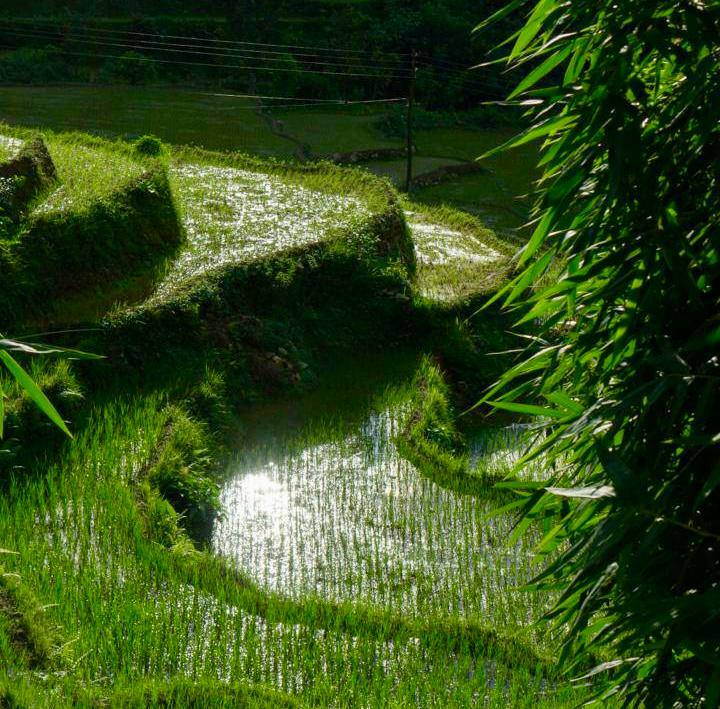
1. Rice Terraces (Sawah): Perhaps Bali's most iconic landscape, the rice terraces, skillfully carved into the hillsides, are not only a picturesque sight but also a vital agricultural area. The land here is cultivated using traditional methods, requiring a sophisticated irrigation system known as "subak." These terraces are typically fertile and well-drained, making them ideal for growing rice, but can also be used for other crops.
2. Volcanic Soils (Tanah Vulkanik): Bali's location on the Pacific Ring of Fire gives its soils high fertility. Volcanic soils, rich in minerals such as potassium and phosphorus, are ideal for growing a wide range of crops, including fruits, vegetables, and spices. These soils are often dark in color and have a good structure that promotes moisture retention.
3. Tropical Chernozem (Humus Tropis): Tropical chernozem soils are found in lower-lying areas and near the coast. These soils form in tropical climates and are rich in organic matter (humus). They have excellent water-retention properties and are rich in nutrients, making them very fertile for agriculture and also suitable for construction and development.
4. Sandy Soils (Tanah Pasir): Sandy soils predominate along the coast of Bali. They typically have low fertility and poor water retention, but they have excellent drainage. These soils are often used for the construction of resorts, villas, and other tourist infrastructure, as drainage is key in coastal areas. Certain types of palm and coconut trees also thrive in sandy soils.
5. Forested and Jungle Lands (Hutan dan Hutan Belantara): A significant portion of Bali is covered by tropical forests and dense jungle, especially in the mountainous regions. These lands tend to be more acidic due to the decomposition of organic matter and may be less suitable for agriculture without additional cultivation. However, they are home to rich biodiversity and play an important role in maintaining the island's ecological balance.
6. Lands Designated for Development (Tanah Pemukiman/Komersial/Industri): Along with natural soil types, Bali also has lands already designated for various types of development. These may include residential areas, commercial zones (shopping centers, restaurants), or industrial facilities. These lands have typically already undergone some degree of cultivation and preparation for construction.
It's important to note that Bali has a strict zoning system and land use regulations that govern how certain types of land can be used. Understanding these nuances is key to successful and sustainable development on this unique island.
For any questions, please call or submit a request; one of our specialists will contact you shortly.
Land Types in Bali:
1. Rice Terraces (Sawah): Perhaps Bali's most iconic landscape, the rice terraces, skillfully carved into the hillsides, are not only a picturesque sight but also a vital agricultural area. The land here is cultivated using traditional methods, requiring a sophisticated irrigation system known as "subak." These terraces are typically fertile and well-drained, making them ideal for growing rice, but can also be used for other crops.
2. Volcanic Soils (Tanah Vulkanik): Bali's location on the Pacific Ring of Fire gives its soils high fertility. Volcanic soils, rich in minerals such as potassium and phosphorus, are ideal for growing a wide range of crops, including fruits, vegetables, and spices. These soils are often dark in color and have a good structure that promotes moisture retention.
3. Tropical Chernozem (Humus Tropis): Tropical chernozem soils are found in lower-lying areas and near the coast. These soils form in tropical climates and are rich in organic matter (humus). They have excellent water-retention properties and are rich in nutrients, making them very fertile for agriculture and also suitable for construction and development.
4. Sandy Soils (Tanah Pasir): Sandy soils predominate along the coast of Bali. They typically have low fertility and poor water retention, but they have excellent drainage. These soils are often used for the construction of resorts, villas, and other tourist infrastructure, as drainage is key in coastal areas. Certain types of palm and coconut trees also thrive in sandy soils.
5. Forested and Jungle Lands (Hutan dan Hutan Belantara): A significant portion of Bali is covered by tropical forests and dense jungle, especially in the mountainous regions. These lands tend to be more acidic due to the decomposition of organic matter and may be less suitable for agriculture without additional cultivation. However, they are home to rich biodiversity and play an important role in maintaining the island's ecological balance.
6. Lands Designated for Development (Tanah Pemukiman/Komersial/Industri): Along with natural soil types, Bali also has lands already designated for various types of development. These may include residential areas, commercial zones (shopping centers, restaurants), or industrial facilities. These lands have typically already undergone some degree of cultivation and preparation for construction.
It's important to note that Bali has a strict zoning system and land use regulations that govern how certain types of land can be used. Understanding these nuances is key to successful and sustainable development on this unique island.
For any questions, please call or submit a request; one of our specialists will contact you shortly.


