




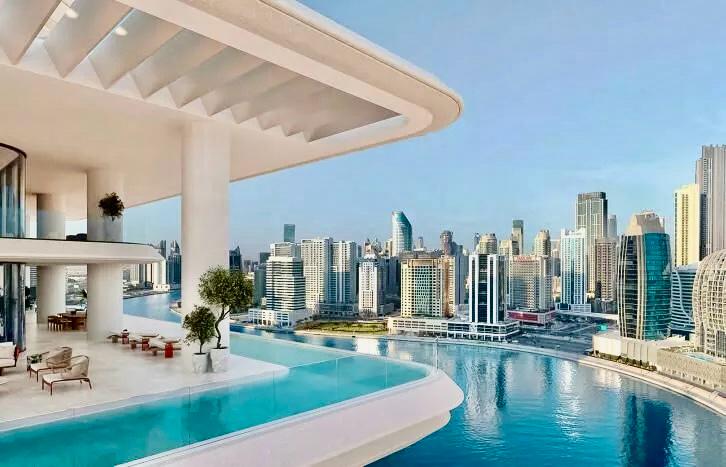
Buying property in Dubai is an exciting but sometimes confusing undertaking, especially when it comes to specific terminology. Understanding key concepts will help you navigate the process confidently and avoid misunderstandings.
Below are the most important terms you're likely to encounter:
1. Freehold vs. Leasehold: This is perhaps one of the most fundamental differences. Freehold means you own the property outright and in perpetuity, including the land underneath. This ownership is absolute and can be passed on to your heirs. Leasehold, on the other hand, grants you the right to use the property for a specified period (e.g., 99 years), but the land remains in the ownership of another party. In Dubai, most apartments and villas are sold as freehold, especially in designated areas for foreigners.
2. Off-plan Property: This is property that has not yet been built, but is sold at the project stage or during construction. Buying off-plan often offers lower prices and attractive payment plans, but carries the risk of construction delays or design changes. It's crucial to thoroughly research the developer's reputation and the project before making a decision.
3. Ready Property / Secondary Market: Unlike off-plan, ready properties are already built and listed for sale, typically on the secondary market. These properties allow you to move in immediately or begin renting them out, but may fetch a higher price than off-plan properties.
4. Title Deed / Oqood: A Title Deed (or Oqood in Dubai) is an official document confirming your ownership of a property. It is issued by the Dubai Land Department (DLD) and is irrefutable proof of ownership. When buying off-plan, an Oqood is issued after the down payment, and a full Title Deed is issued after construction is completed.
5. Service Charges: These are annual fees that property owners within a complex or building pay for the maintenance and upkeep of common areas. They cover cleaning, security, a swimming pool, a gym, landscaping, and other amenities that ensure a comfortable stay. The amount of service charges depends on the size of your property and the amenities provided.
6. Mortgage: If you plan to finance your purchase with borrowed funds, you will need a mortgage. Banks in Dubai offer mortgages to both residents and non-residents, but terms and requirements may vary. It is important to research the offers and loan terms of different banks in advance.
7. No Objection Certificate (NOC): When reselling a property (secondary market), the seller is typically required to obtain a No Objection Certificate (NOC) from the developer. This document confirms that the seller has no outstanding service charges or other obligations to the developer.
8. Real Estate Agent / Broker: A real estate agent (or broker) is a licensed professional who assists you in the buying or selling process. They can suggest properties, conduct showings, negotiate, assist with paperwork, and provide advice. Choose agents with a good reputation and a license from RERA (Real Estate Regulatory Agency).
9. RERA (Real Estate Regulatory Agency): This is the regulatory body responsible for overseeing and regulating the real estate market in Dubai. All real estate transactions must comply with RERA rules, ensuring transparency and security for buyers and sellers.
10. Developer: A developer is a company that builds and sells real estate. Dubai has many large and reputable developers, such as Emaar, Damac, Nakheel, and others. Researching a developer's reputation is an important step when choosing off-plan property.
Understanding these terms is the first step to a successful and safe property purchase in Dubai. Don't hesitate to ask your real estate agent, lawyer, or any other specialist if anything remains unclear.
For any questions, please call or submit a request; one of our specialists will contact you shortly.
Below are the most important terms you're likely to encounter:
1. Freehold vs. Leasehold: This is perhaps one of the most fundamental differences. Freehold means you own the property outright and in perpetuity, including the land underneath. This ownership is absolute and can be passed on to your heirs. Leasehold, on the other hand, grants you the right to use the property for a specified period (e.g., 99 years), but the land remains in the ownership of another party. In Dubai, most apartments and villas are sold as freehold, especially in designated areas for foreigners.
2. Off-plan Property: This is property that has not yet been built, but is sold at the project stage or during construction. Buying off-plan often offers lower prices and attractive payment plans, but carries the risk of construction delays or design changes. It's crucial to thoroughly research the developer's reputation and the project before making a decision.
3. Ready Property / Secondary Market: Unlike off-plan, ready properties are already built and listed for sale, typically on the secondary market. These properties allow you to move in immediately or begin renting them out, but may fetch a higher price than off-plan properties.
4. Title Deed / Oqood: A Title Deed (or Oqood in Dubai) is an official document confirming your ownership of a property. It is issued by the Dubai Land Department (DLD) and is irrefutable proof of ownership. When buying off-plan, an Oqood is issued after the down payment, and a full Title Deed is issued after construction is completed.
5. Service Charges: These are annual fees that property owners within a complex or building pay for the maintenance and upkeep of common areas. They cover cleaning, security, a swimming pool, a gym, landscaping, and other amenities that ensure a comfortable stay. The amount of service charges depends on the size of your property and the amenities provided.
6. Mortgage: If you plan to finance your purchase with borrowed funds, you will need a mortgage. Banks in Dubai offer mortgages to both residents and non-residents, but terms and requirements may vary. It is important to research the offers and loan terms of different banks in advance.
7. No Objection Certificate (NOC): When reselling a property (secondary market), the seller is typically required to obtain a No Objection Certificate (NOC) from the developer. This document confirms that the seller has no outstanding service charges or other obligations to the developer.
8. Real Estate Agent / Broker: A real estate agent (or broker) is a licensed professional who assists you in the buying or selling process. They can suggest properties, conduct showings, negotiate, assist with paperwork, and provide advice. Choose agents with a good reputation and a license from RERA (Real Estate Regulatory Agency).
9. RERA (Real Estate Regulatory Agency): This is the regulatory body responsible for overseeing and regulating the real estate market in Dubai. All real estate transactions must comply with RERA rules, ensuring transparency and security for buyers and sellers.
10. Developer: A developer is a company that builds and sells real estate. Dubai has many large and reputable developers, such as Emaar, Damac, Nakheel, and others. Researching a developer's reputation is an important step when choosing off-plan property.
Understanding these terms is the first step to a successful and safe property purchase in Dubai. Don't hesitate to ask your real estate agent, lawyer, or any other specialist if anything remains unclear.
For any questions, please call or submit a request; one of our specialists will contact you shortly.


