




Cyprus confidently maintains its position as one of the most stable real estate markets in the European Union. This is achieved through a combination of a transparent legal system, robust consumer demand, and moderate but consistent price growth. Investors perceive the island not as a platform for risky speculation, but as a reliable tool for capital preservation, rental income generation, and the implementation of long-term strategies. In this article, we will delve into the real state of the Cyprus real estate market, drawing on current official statistics, macroeconomic indicators, and government reports to provide an objective picture.
Analysis of official data from the Ministry of Finance and the Cyprus Land Registry Department demonstrates the steady development of the real estate market. A significant increase in the number of purchase and sale transactions is observed, reaching its highest levels in the past 10-15 years. Notably, this growth is driven by genuine demand—from both local and foreign buyers—and not solely by speculative capital. Even amid global economic uncertainty, the Cyprus real estate market maintains high liquidity, underscoring its fundamental stability. A key factor indicating the market's health is the increasing share of local buyers in recent years, reducing dependence on external investment flows.
Regarding price dynamics, according to data from the Central Bank of Cyprus and the Residential Property Price Index, residential property prices are steadily rising. Average annual growth is a moderate 3-5%, although it can be somewhat higher in certain regions and market segments. This development trajectory indicates a balanced market: there are no sharp price spikes or signs of a bubble, and growth is supported by genuine demand and limited supply. For investors, this means predictability and a manageable level of risk, which is key to making informed decisions.
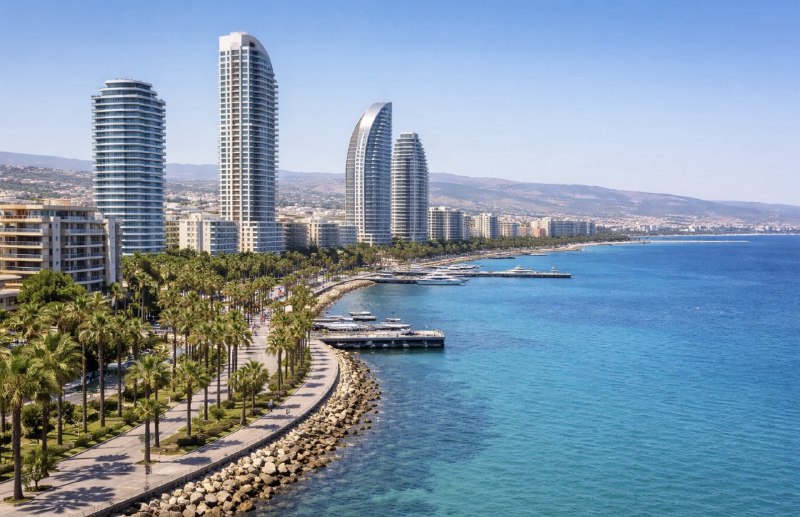
It is important to note the heterogeneity of the Cyprus real estate market, with each region offering its own investment appeal and logic. Limassol, the most expensive market on the island, is characterized by a high concentration of international business and significant demand for premium and investment properties. Despite its high liquidity, this region also has a high barrier to entry for investors.
The Cyprus real estate market demonstrates resilience and attractiveness for investors, offering a variety of opportunities depending on the region and investment objectives.
Analysis of official data from the Ministry of Finance and the Cyprus Land Registry Department demonstrates the steady development of the real estate market. A significant increase in the number of purchase and sale transactions is observed, reaching its highest levels in the past 10-15 years. Notably, this growth is driven by genuine demand—from both local and foreign buyers—and not solely by speculative capital. Even amid global economic uncertainty, the Cyprus real estate market maintains high liquidity, underscoring its fundamental stability. A key factor indicating the market's health is the increasing share of local buyers in recent years, reducing dependence on external investment flows.
Regarding price dynamics, according to data from the Central Bank of Cyprus and the Residential Property Price Index, residential property prices are steadily rising. Average annual growth is a moderate 3-5%, although it can be somewhat higher in certain regions and market segments. This development trajectory indicates a balanced market: there are no sharp price spikes or signs of a bubble, and growth is supported by genuine demand and limited supply. For investors, this means predictability and a manageable level of risk, which is key to making informed decisions.
It is important to note the heterogeneity of the Cyprus real estate market, with each region offering its own investment appeal and logic. Limassol, the most expensive market on the island, is characterized by a high concentration of international business and significant demand for premium and investment properties. Despite its high liquidity, this region also has a high barrier to entry for investors.
The Cyprus real estate market demonstrates resilience and attractiveness for investors, offering a variety of opportunities depending on the region and investment objectives.
Regional Features:
Larnaca: This city is one of the fastest growing, actively developing its infrastructure. It is particularly attractive to investors with a mid-range budget, offering a favorable combination of potential for price appreciation and rental income.
Paphos: Known for its stable demand for second homes, Paphos is popular with foreign buyers. A well-developed short-term rental market makes it attractive to those seeking tourist income.
Nicosia: As an administrative and business center, Nicosia offers a less touristy but stable market. Long-term rentals predominate here, and prices demonstrate moderate but steady growth with low volatility.
Demand and Buyer Structure:
Current demand in the Cypriot real estate market is formed by three main groups:
local buyers
investors focused on rental housing
foreigners purchasing property both for personal residence and for asset diversification. A key trend in recent years has been a rationalization of the purchasing approach: emotional purchases are being replaced by more informed decisions based on profitability calculations, as well as close attention to the legal integrity of properties and construction quality.
The Rental Market as an Indicator of Stability:
The Cyprus rental market remains active, characterized by high demand for both long- and short-term rentals, especially in tourist regions. The growing number of expats and remote professionals is further stimulating this segment. For investors, this opens the opportunity to earn regular rental income, reducing dependence on resale and providing flexibility in their investment strategy.
Construction and Supply:
According to official data, the number of building permits is increasing, with developers focusing on high-quality projects. The absence of massive overproduction is an important factor maintaining market stability and preventing excessive pressure on prices.
Forecast and Investment Conclusions:
Analysis of current data suggests the high stability and predictability of the Cyprus real estate market. Moderate but steady price growth is expected, making it an attractive long-term investment. The combination of developing infrastructure, stable demand, and a vibrant rental market provides favorable conditions for investors with a variety of budgets and goals.
When investing in Cyprus real estate, location and property type play a key role. Choosing the right location, whether a bustling tourist center, a prestigious coastal area, or a developing suburb, directly impacts potential rental income and asset appreciation. Similarly, the property type—from a cozy apartment to a luxurious villa or commercial space—should align with your investment goals and the specifics of the chosen location.
It's important to understand that investing is focused on a long-term strategy, not quick deals. The Cyprus real estate market, like any other, requires patience and a strategic approach. Successful investors see Cyprus real estate not just as an opportunity for quick profits, but as a tool for systematic capital accumulation and stable passive income for many years.
Cyprus is suitable for investors who:
Value legal protection. Cyprus, as a member of the European Union, offers a transparent and reliable legal framework for foreign investors. Strict laws and proven procedures guarantee the security of your investments and the protection of your property rights.
They focus on stable income. Thanks to a developed tourism sector and constant rental demand, real estate in Cyprus can generate a stable and predictable income. This makes it an attractive choice for those seeking a reliable source of passive income.
They view real estate as part of a diversified portfolio. Investing in Cypriot real estate allows you to effectively diversify your investment portfolio. This reduces overall risks and increases its resilience to fluctuations in other markets, whether the stock market or other asset classes.
Sources and analytical base: Department of Lands and Surveys, Republic of Cyprus, Cyprus Statistical Service (CYSTAT), Central Bank of Cyprus, Ministry of Finance of the Republic of Cyprus, Eurostat (European Commission)
Larnaca: This city is one of the fastest growing, actively developing its infrastructure. It is particularly attractive to investors with a mid-range budget, offering a favorable combination of potential for price appreciation and rental income.
Paphos: Known for its stable demand for second homes, Paphos is popular with foreign buyers. A well-developed short-term rental market makes it attractive to those seeking tourist income.
Nicosia: As an administrative and business center, Nicosia offers a less touristy but stable market. Long-term rentals predominate here, and prices demonstrate moderate but steady growth with low volatility.
Demand and Buyer Structure:
Current demand in the Cypriot real estate market is formed by three main groups:
local buyers
investors focused on rental housing
foreigners purchasing property both for personal residence and for asset diversification. A key trend in recent years has been a rationalization of the purchasing approach: emotional purchases are being replaced by more informed decisions based on profitability calculations, as well as close attention to the legal integrity of properties and construction quality.
The Rental Market as an Indicator of Stability:
The Cyprus rental market remains active, characterized by high demand for both long- and short-term rentals, especially in tourist regions. The growing number of expats and remote professionals is further stimulating this segment. For investors, this opens the opportunity to earn regular rental income, reducing dependence on resale and providing flexibility in their investment strategy.
Construction and Supply:
According to official data, the number of building permits is increasing, with developers focusing on high-quality projects. The absence of massive overproduction is an important factor maintaining market stability and preventing excessive pressure on prices.
Forecast and Investment Conclusions:
Analysis of current data suggests the high stability and predictability of the Cyprus real estate market. Moderate but steady price growth is expected, making it an attractive long-term investment. The combination of developing infrastructure, stable demand, and a vibrant rental market provides favorable conditions for investors with a variety of budgets and goals.
When investing in Cyprus real estate, location and property type play a key role. Choosing the right location, whether a bustling tourist center, a prestigious coastal area, or a developing suburb, directly impacts potential rental income and asset appreciation. Similarly, the property type—from a cozy apartment to a luxurious villa or commercial space—should align with your investment goals and the specifics of the chosen location.
It's important to understand that investing is focused on a long-term strategy, not quick deals. The Cyprus real estate market, like any other, requires patience and a strategic approach. Successful investors see Cyprus real estate not just as an opportunity for quick profits, but as a tool for systematic capital accumulation and stable passive income for many years.
Cyprus is suitable for investors who:
Value legal protection. Cyprus, as a member of the European Union, offers a transparent and reliable legal framework for foreign investors. Strict laws and proven procedures guarantee the security of your investments and the protection of your property rights.
They focus on stable income. Thanks to a developed tourism sector and constant rental demand, real estate in Cyprus can generate a stable and predictable income. This makes it an attractive choice for those seeking a reliable source of passive income.
They view real estate as part of a diversified portfolio. Investing in Cypriot real estate allows you to effectively diversify your investment portfolio. This reduces overall risks and increases its resilience to fluctuations in other markets, whether the stock market or other asset classes.
Sources and analytical base: Department of Lands and Surveys, Republic of Cyprus, Cyprus Statistical Service (CYSTAT), Central Bank of Cyprus, Ministry of Finance of the Republic of Cyprus, Eurostat (European Commission)


